Films & Tapes

FEP Bonding Film

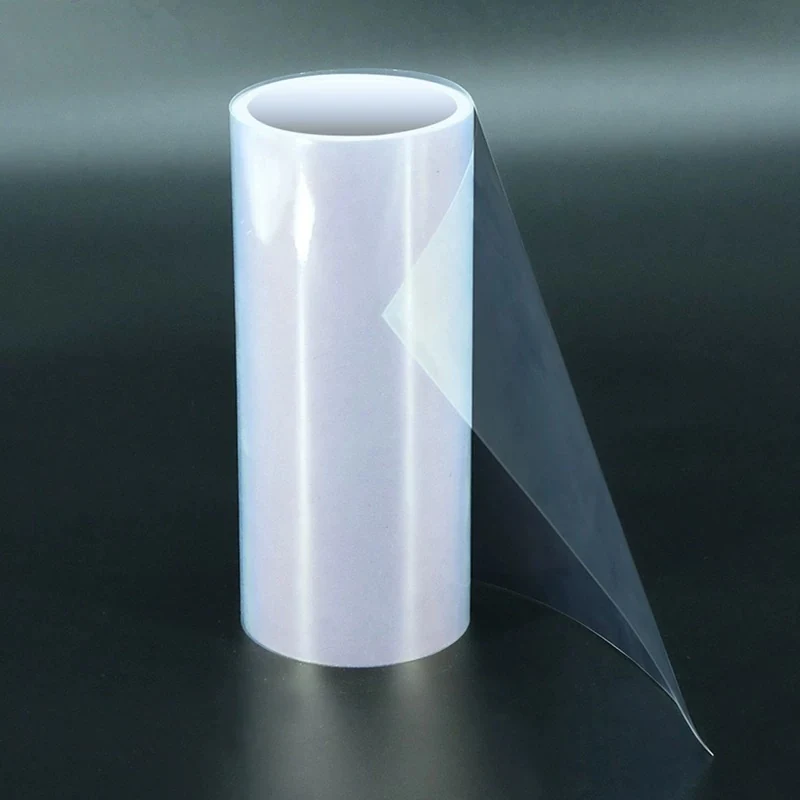
Clear FEP film for thermal joining and lamination in PTFE fabric and belt assemblies. Unlike PTFE, FEP is melt-processable, so a controlled hot-press cycle can form the bond between compatible layers.

  • Clear FEP, also known as F46
  • 0.05, 0.08, 0.10 and 0.20 mm options
  • Bonding strips and cut interlayers
Clear FEP film unwound from a white roll
Transparent bonding film roll

Material & configuration

Product Specifications

Choose the construction and dimensions for the equipment and the material it handles.

FEP Bonding Film specifications
PolymerFluorinated ethylene propylene (FEP / F46)
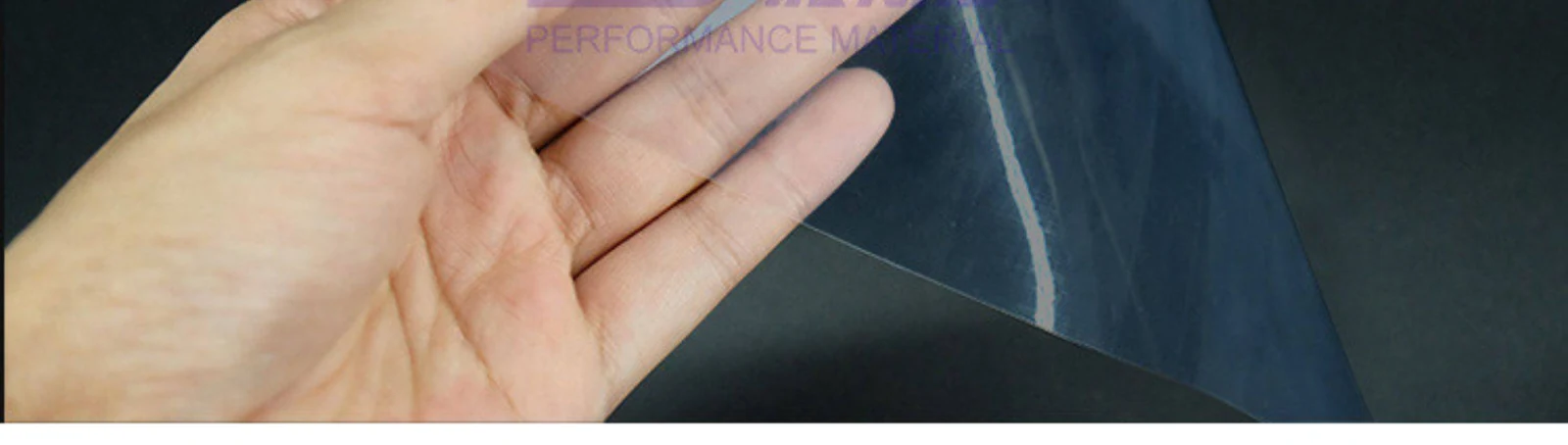
AppearanceClear to translucent film
Thickness options0.05, 0.08, 0.10 and 0.20 mm
Supply formatsRolls, slit strips and cut bonding blanks
ProcessThermal bonding with controlled heat, pressure and cooling
Primary usePTFE fabric joints, repair interlayers and compatible laminates

Select a specification

Standard Specifications & Stock Inquiry

Select clear FEP film by thickness for a thermal bonding interlayer. These four references are FEP/F46 rather than PTFE film.

FEP Bonding Film standard options and supply formats
Reference SKUSpecificationSupply formatSupply routeInquiry
CPT-FEP-0050.05 mm; clear FEP/F46 bonding filmWeight basis: 1 kgStock inquiryCheck Stock & Quote
CPT-FEP-0080.08 mm; clear FEP/F46 bonding filmWeight basis: 1 kgStock inquiryCheck Stock & Quote
CPT-FEP-0100.10 mm; clear FEP/F46 bonding filmWeight basis: 1 kgStock inquiryCheck Stock & Quote
CPT-FEP-0200.20 mm; clear FEP/F46 bonding filmWeight basis: 1 kgStock inquiryCheck Stock & Quote

The 1 kg package is a weight basis. Film width and thickness determine usable length and area; include the required width, joint size and total quantity when checking stock.

Need a different specification? Send your dimensions

An interlayer for a controlled thermal bond

FEP film sits between the surfaces to be joined. Heat softens the interlayer, pressure keeps the faces in contact, and controlled cooling holds the assembly in its intended position.

Choose film thickness against the surface texture and joint geometry. A thicker film adds more bonding material and bond-line build; a thin strip keeps the joint compact but needs sufficient contact over the woven surfaces. The best thickness depends on the fabric and the required seam profile.
Keep FEP and PTFE separate in the specification

FEP is the melt-processable bonding layer. PTFE film is a separate material and cannot replace it simply because both are fluoropolymers. Describe the layer as FEP or F46 in the bill of materials.

The hot-press bonding cycle and the finished assembly's service temperature are different parameters. Establish the joining cycle on representative samples and select the final service limit around the FEP interlayer, fabric and joint. Do not use the PTFE resin temperature as the rating for the whole bond.

Equipment & process duties

Applications

PTFE fabric joining

Cut a film strip to the joint area for a heat-bonded overlap or compatible seam assembly.

Belt repair interlayers

Position bonding film under a repair patch while controlling the finished repair thickness.

Thermal lamination

Use a clear interlayer where the bonding area and laminate alignment need to remain visible.

Direct answers

Common Questions

Are FEP and F46 the same material?

F46 is a common designation for FEP. Specify FEP in the material description and add the thickness and supply dimensions so the bonding layer is unambiguous.

Can I use thin PTFE film instead?

No. PTFE does not behave like FEP during ordinary melt bonding. Use FEP for this thermal interlayer duty, or use an etched PTFE film with an appropriate separate adhesive when that is the intended assembly method.

Is there one bonding cycle for every belt joint?

No. Fabric texture, overlap, film thickness and press conditions change the bond. Establish heat, pressure, dwell and cooling on the actual construction before making the production seam.

Specify your requirement

Quote FEP Bonding Film

Provide FEP thickness, strip width or blank dimensions, roll length or required area, quantity and the materials being joined. Add a joint drawing for belt or patch work.

Send Your Requirement