Films & Tapes

Etched PTFE Film

PTFE film with a chemically treated bonding face. The treatment allows an adhesive system to wet the treated side while the opposite PTFE face can serve as a low-adhesion working surface.

  • Bonding-face treatment for low-surface-energy PTFE
  • Custom film thickness and cut dimensions
  • Treatment orientation identified for assembly
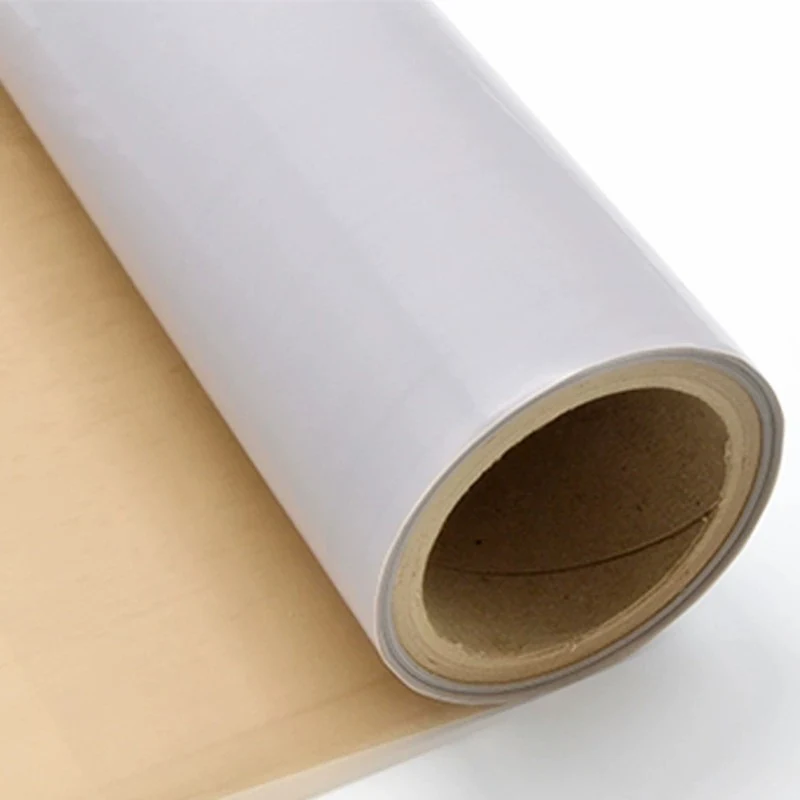
PTFE film roll with contrasting film and bonding faces
Film supplied for conversion and bonding

Material & configuration

Product Specifications

Choose the construction and dimensions for the equipment and the material it handles.

Etched PTFE Film specifications
MaterialPTFE film without a fiberglass carrier
Surface configurationOne-side etched bonding face
ConversionRolls, strips, rectangular blanks and drawing-based cut shapes
DimensionsThickness, width and length selected for the laminate
Bonding methodSeparate adhesive matched to the substrate and service conditions
HandlingProtect the treated face from contamination before bonding

Select a specification

Standard Configurations

Select the treated film construction for a bonding face. Thickness and cut dimensions are specified for the laminate rather than assumed from an unetched film option.

Etched PTFE Film standard options and supply formats
Reference SKUSpecificationSupply formatSupply routeInquiry
CPT-EF-GY-1SGray PTFE film; one-side etched bonding faceRoll, strip or blank; thickness and size to orderMade to orderQuote This Option
CPT-EF-BK-1SBlack PTFE film; one-side etched bonding faceRoll, strip or blank; thickness and size to orderMade to orderQuote This Option

Etched film requires a separate compatible adhesive. Provide thickness, width, length and the bonding substrate; the quotation identifies the treatment and supply timing.

Need a different specification? Send your dimensions

Make the bond on the treated face

Untreated PTFE has a very low-energy surface, so ordinary adhesive application produces an unreliable bond. Chemical treatment changes the bonding face to give the selected adhesive a surface it can wet and attach to.

Keep the orientation clear from receipt through cutting and assembly. If one face must remain a release surface, place that untreated face toward the process and put the treated face toward the substrate. Surface color is not a substitute for identifying the treated side.

Build the laminate around the whole bond line

The PTFE layer, adhesive, substrate and thermal cycle act together. A laminate that works at room temperature can behave differently when heated, flexed or exposed to cleaning chemicals.

Choose the adhesive for the substrate and the required peel or shear duty, then test a representative assembly. Store the treated film sealed, clean and protected from light, and plan cutting close to the bonding operation to reduce contamination and handling.

Equipment & process duties

Applications

Bonded release liners

Attach a PTFE working face to a rigid tool or support without covering the release side with adhesive.

Equipment laminates

Combine thin PTFE film with a selected substrate for local chemical-barrier or low-friction surfaces.

Converted assembly blanks

Cut the treated film to the actual bond area, keeping holes and margins clear of fixing points.

Direct answers

Common Questions

Is etched PTFE film a hot-melt bonding film?

No. Etched PTFE uses surface treatment to support adhesive bonding. FEP bonding film is a different fluoropolymer that melts during thermal bonding.

Does treatment remove the need for an adhesive?

No. Treatment prepares the surface; an adhesive system still joins the film to the substrate. Select the adhesive for the bond-line temperature, substrate and mechanical duty.

Which side should face the product?

For a one-side etched release liner, the untreated PTFE face normally faces the process and the treated face bonds to the support. Mark the orientation in the drawing so the finished assembly preserves the release surface.

Specify your requirement

Quote Etched PTFE Film

Send the film thickness, cut dimensions, treated-side orientation, substrate and adhesive system. Include the service temperature, chemical exposure and laminate quantity.

Send Your Requirement