Fabricated Mesh & Accessories

PTFE Mesh Baking Mats

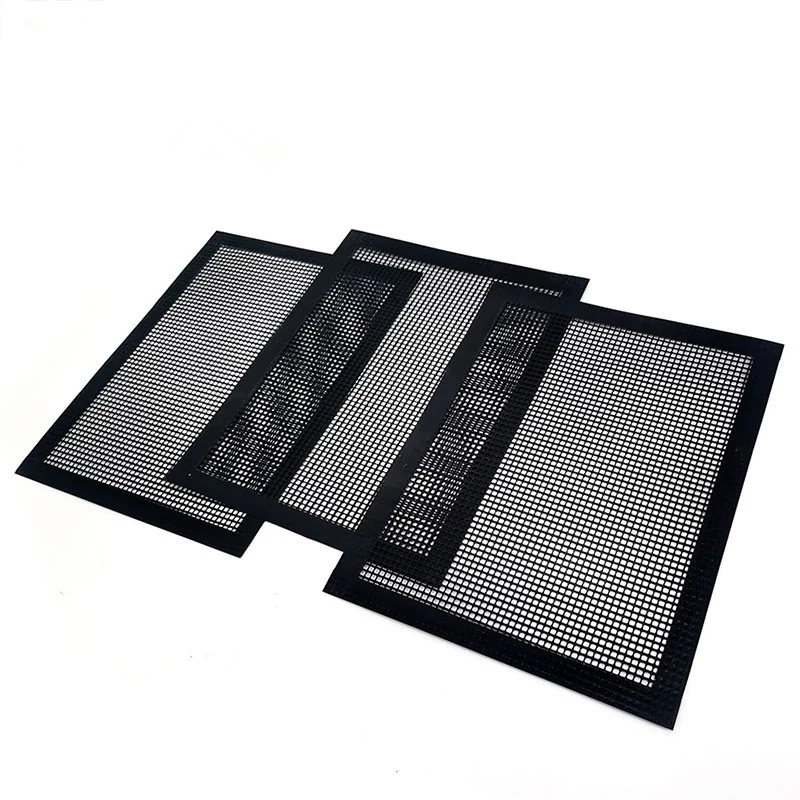
Open-weave PTFE coated mats cut to the working area of a baking or drying tray. The mesh supports the product while keeping ventilation beneath it, unlike a continuous solid release sheet.

  • Open mesh for underside ventilation
  • Rectangular and round tray-fit shapes
  • Bare-cut and reinforced-edge formats
Black framed mesh tray liners in rectangular shapes
Rectangular mesh tray liner formats

Material & configuration

Product Specifications

Choose the construction and dimensions for the equipment and the material it handles.

PTFE Mesh Baking Mats specifications
ConstructionPTFE coated fiberglass mesh
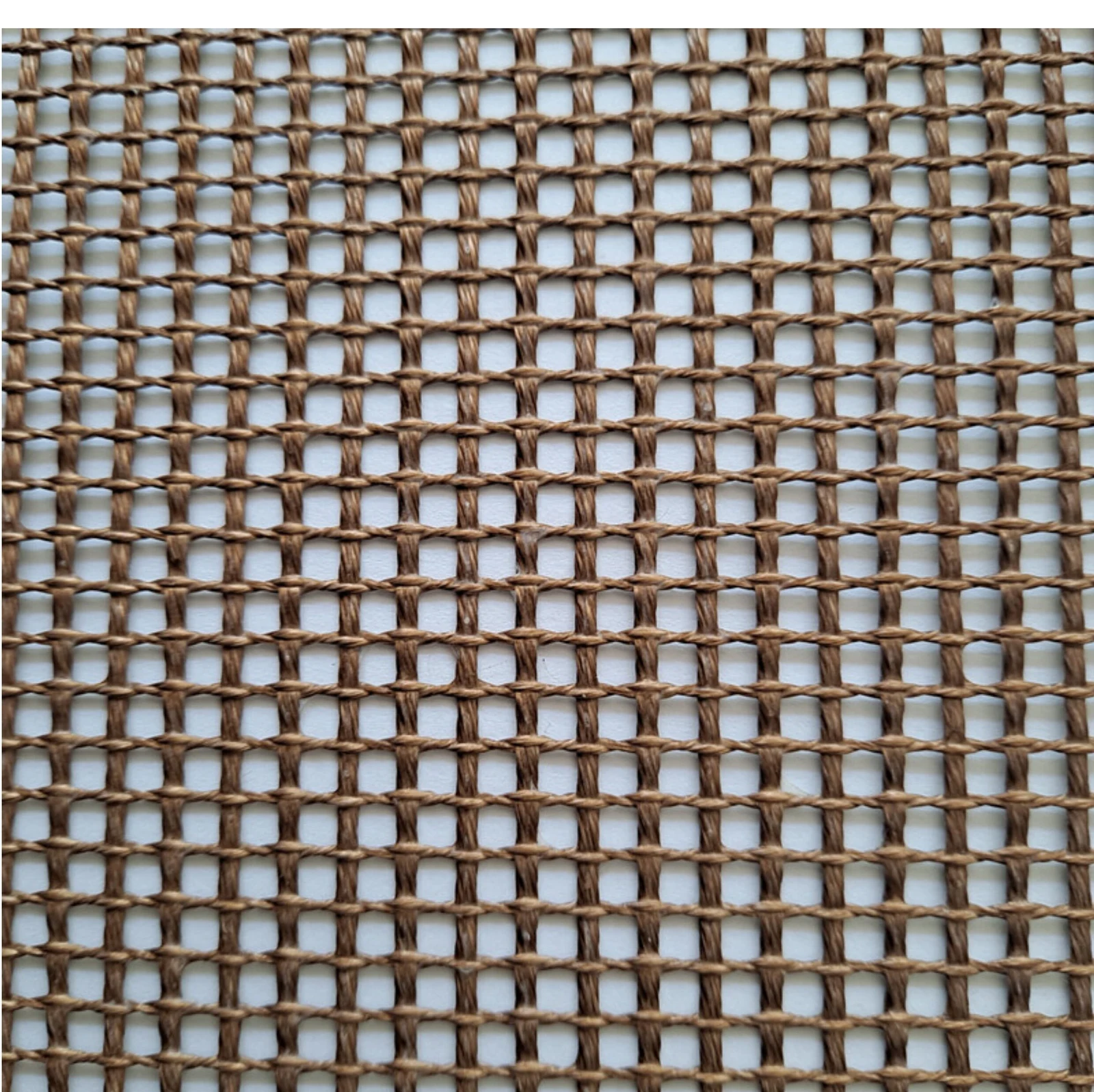
Mesh selectionFine mesh through 10 × 10 mm; select for product support
Rectangular examples400 × 330 and 500 × 400 mm tray-fit formats
Round examples185, 235 and 273 mm diameter formats
Edge finishCut edge or reinforced perimeter
Use conditionSupported tray use; keep clear of direct flame and heating elements

Select a specification

Standard Configurations

Use the rectangular mesh format as the starting point for a supported tray liner. Alternative shapes and openings are selected around the tray and the smallest item being held.

PTFE Mesh Baking Mats standard options and supply formats
Reference SKUSpecificationSupply formatSupply routeInquiry
CPT-MAT-400-330400 × 330 mm; rectangular mesh tray linerPer mat; mesh opening and edge finish to orderMade to orderQuote This Option

The listed mesh format is 400 × 330 mm. Other tray sizes and round shapes are cut to order; specify opening size and edge finish along with quantity.

Need a different specification? Send your dimensions

Fit the mat to the tray and the product

A mesh liner leaves an airflow path beneath the product. That makes it useful when the underside needs ventilation and the item is firm enough to stay above the chosen openings.

For dough or other soft material, the opening and support beneath the mat matter as much as the outside dimensions. A finer mesh reduces the unsupported span. A solid liner is the appropriate alternative when batter, drips or small particles must be contained.
Keep a reusable liner easy to inspect

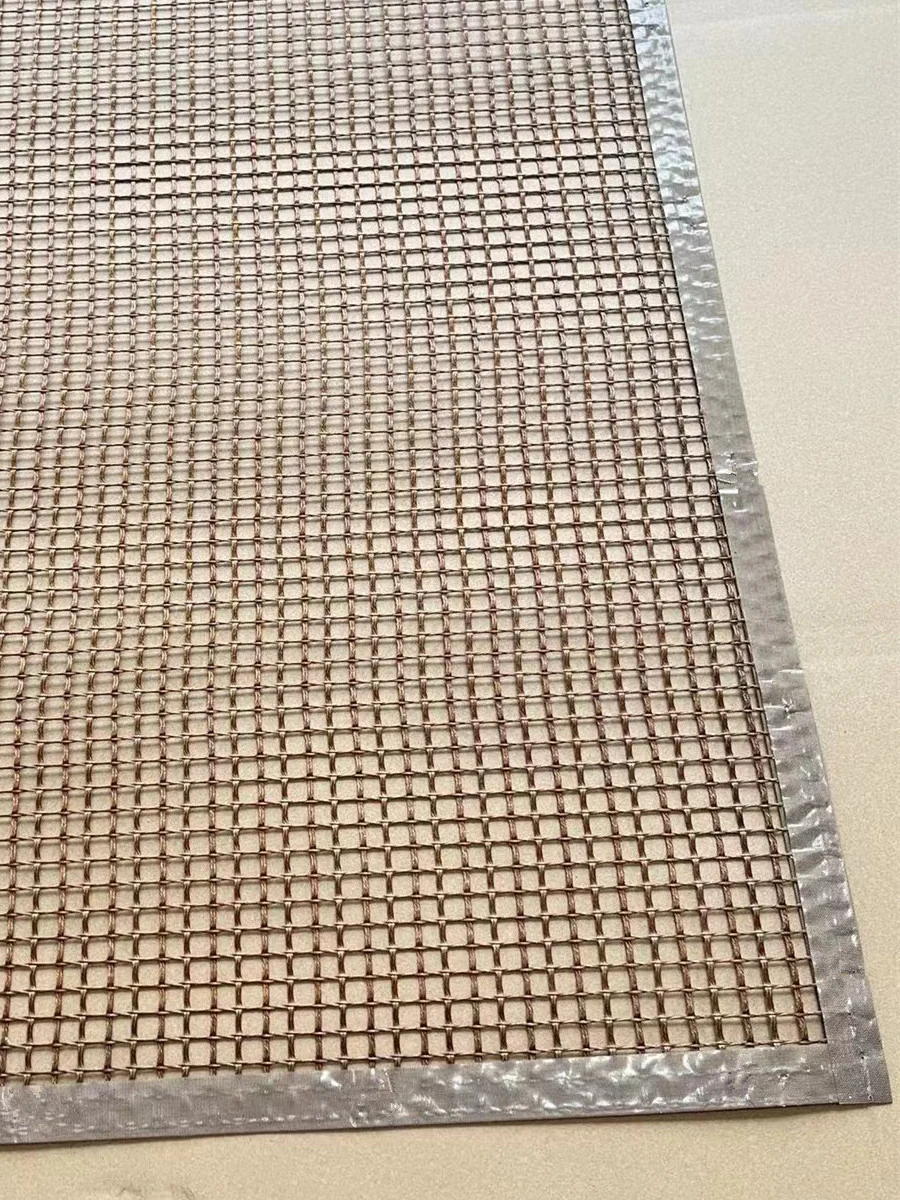
Cut the liner inside the tray walls so it lies flat without folds. A reinforced perimeter suits repeated handling, while a plain cut sheet suits a fixed tray geometry with little edge contact.

Clean the liner with non-abrasive tools and inspect the coating and cut edges before reuse. Remove a mat with damaged coating or exposed fibers. For food-contact production, select the actual formulation and intended use conditions together with the required product documentation.

Equipment & process duties

Applications

Commercial tray systems

Cut repeated liner sizes for a defined oven or rack tray footprint.

Ventilated baking support

Support firm pieces where the process benefits from airflow under the product.

Drying tray inserts

Use shaped mesh liners for drying operations that need removable release support.

Direct answers

Common Questions

When should I use mesh instead of a solid mat?

Use mesh for items that need underside airflow and remain supported above the openings. Use a solid mat when the product can flow, drip or fall through the mesh.

Can mats be cut to round trays?

Yes. Specify the tray's usable diameter and any clearance needed at the wall. Rectangular and drawing-based shapes are also available.

Can these mats be placed over direct flame?

No. Use them in a supported tray arrangement and keep them away from direct flame, exposed heating elements and local hot spots.

Specify your requirement

Quote PTFE Mesh Baking Mats

Provide the tray's usable dimensions, mat shape, mesh opening, edge finish and quantity. Include the product being baked or dried, oven cycle and food-contact documentation requirements.

Send Your Requirement